When Is the Best Weather to Coat a Floor in Riverside
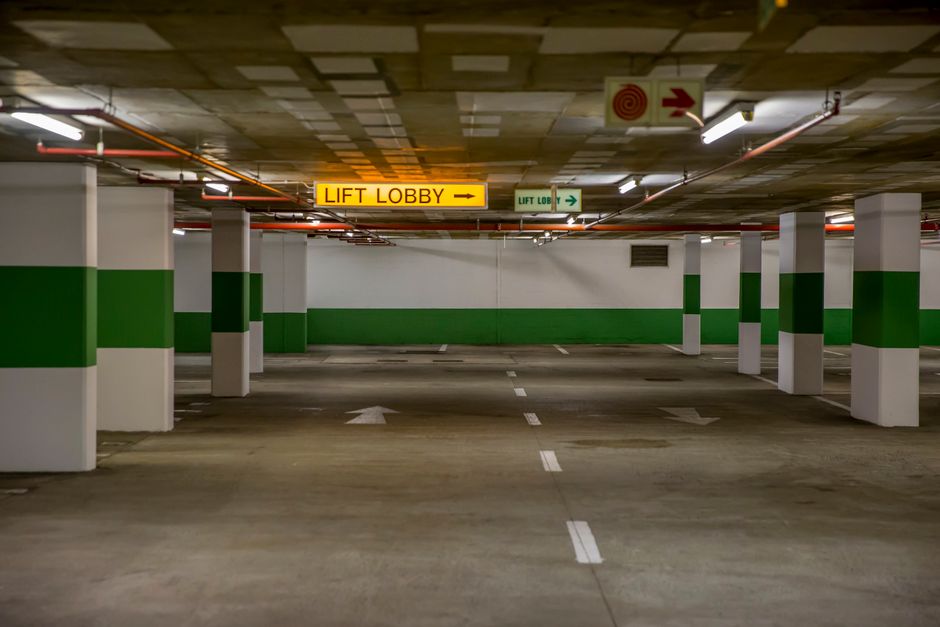
Nothing about a slab at 7 a.m. looks different from the same slab at 3 p.m., yet the coating treats them as two separate jobs. The running record epoxy concrete floor coatings riverside writer philadelphia holds shows that most failed garage floors in Riverside, CA trace back to the hour and the weather on the day of application, not the product on the label. Temperature, dew point and wind decide whether an epoxy floor lays down flat or fights the roller.
Heat and pot life
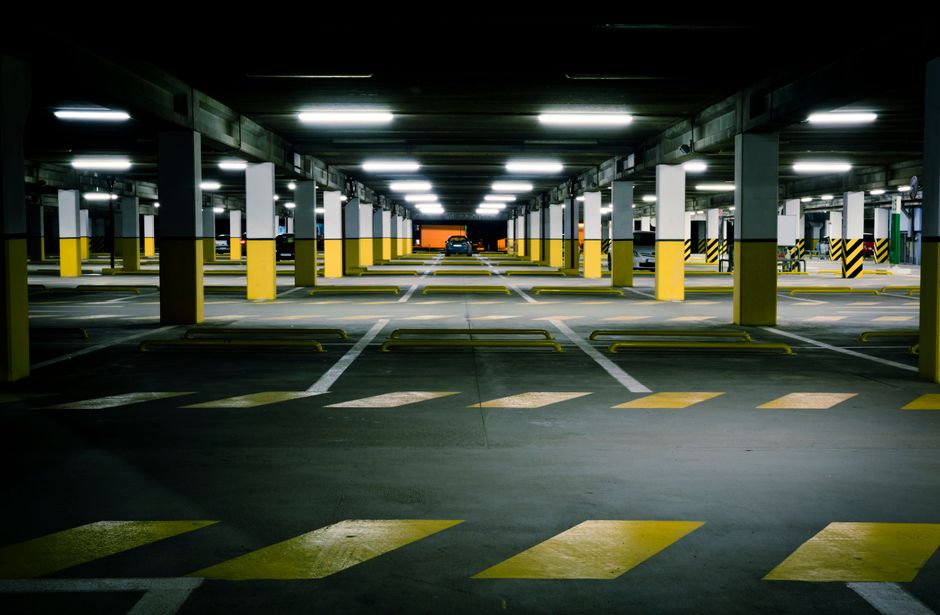
Heat speeds the chemical reaction in two part coatings, so pot life and working time both shrink. A slab warmed by afternoon sun can make an epoxy or polyaspartic set faster than the roller can keep a wet edge. The result is roller marks, lap lines and flake that lands on material already skinning over. Hotter is not better for the work. Past a point, the extra speed only removes working time.
Starting early
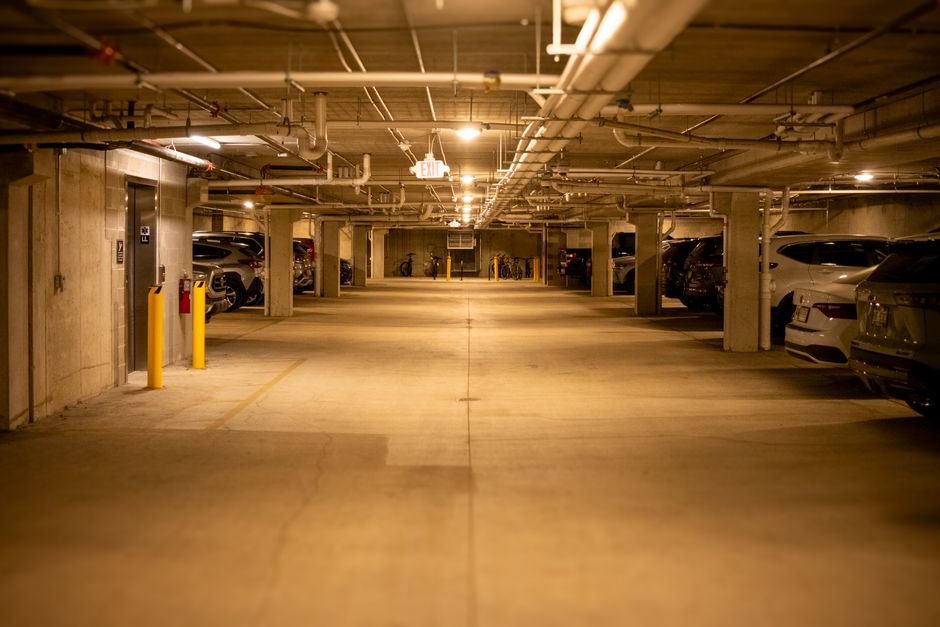
Many installers schedule summer work in the Inland Empire for early morning, when slab and air temperatures are lower. The base coat goes down while the concrete is still cool, and the broadcast of vinyl flake follows before the surface sets. Mixing smaller batches helps too, since a full bucket sitting in the sun gets hot and kicks off early.
Dew point and the slab
Manufacturers commonly require the slab temperature to stay several degrees above the dew point. When it does not, moisture forms on the surface, often unseen, right after diamond grinding has opened the pores. Primer applied over that film bonds poorly and can blush or blister later. A surface thermometer and a dew point reading take a minute and settle the question before any material is mixed.
Santa Ana winds
Santa Ana winds are dry and gusty, and they can push dust and leaves through an open garage door and into a wet coating. Wind does reach an indoor garage floor, and a clear coat shows every speck. Low humidity can speed some cures, but some urethane topcoat products are moisture cured and react with humidity in the air, so very dry days can change how they behave. Cracking the door for ventilation on a windy day needs a screen or a different day.
Cool nights and return to service
Cool nights slow curing, which can extend the wait before vehicles return to the floor. Work near the Santa Ana River or at the base of Mount Rubidoux can see a bigger overnight drop than the daytime forecast suggests. Any day of the year does not give identical results. In late fall, plan for a longer cure, and keep tires off until the topcoat has hardened enough to resist a hot tire print.